
For online dating profile tips for Australian singles, use recent photos and a short bio that shows how you spend your time, what kind of connection you seek, and one detail someone can respond to. Your profile should give a potential match an accurate sense of your personality and everyday life without turning into a list of demands. Specific details, measured honesty and sensible privacy settings create a stronger starting point for compatible conversations.
Choose the impression your profile should create
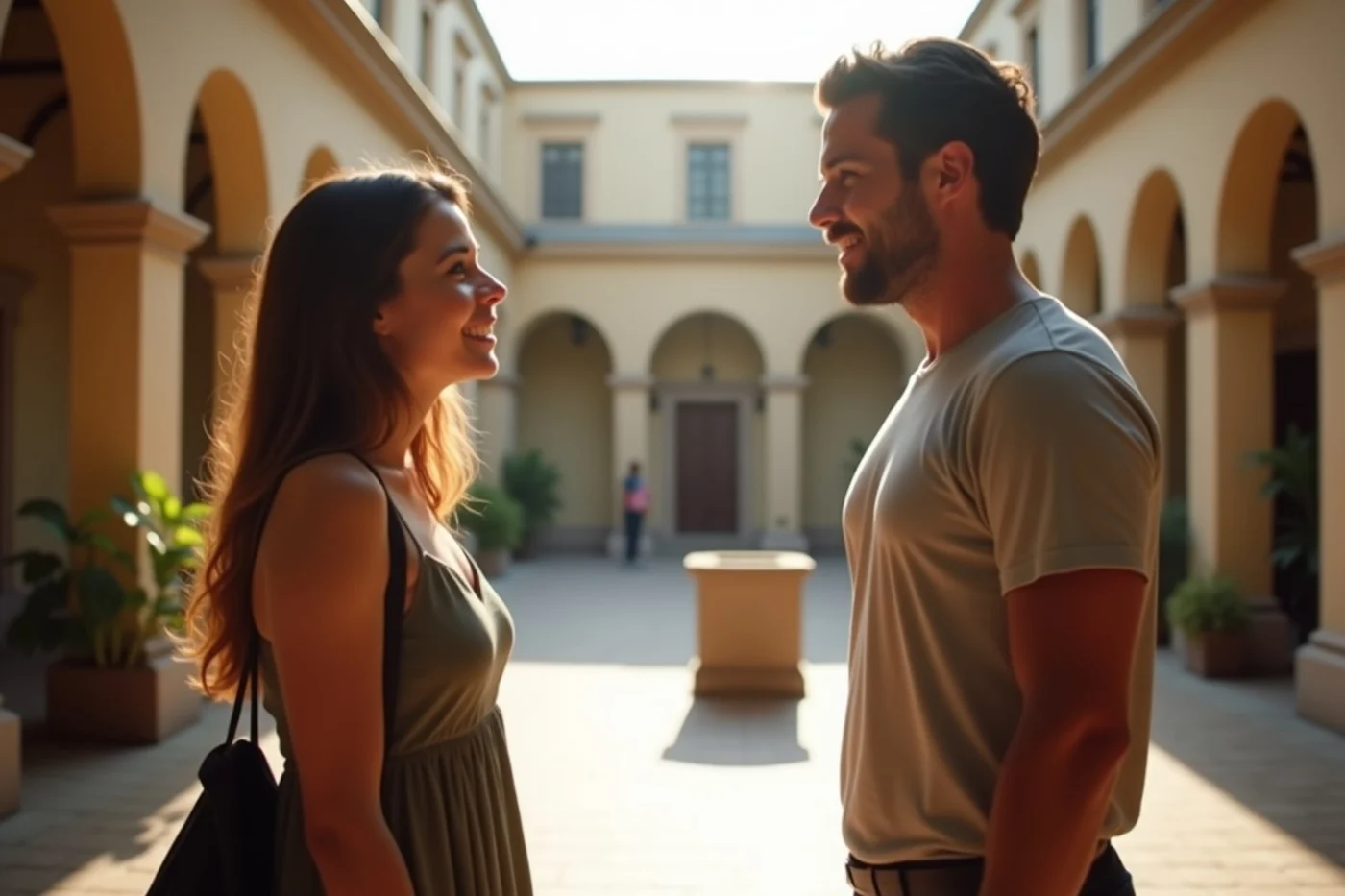
Strong online dating profiles for Australian singles give compatible people a quick sense of who you are, how you spend your time, and what sort of connection you hope to build. Before writing, settle on the impression that reflects your life now: grounded and relationship-minded, social and active, quietly curious, family-focused, career-established, or something more specific. Pick qualities you can support with everyday details, not an idealised version of yourself.
Picture the person who would fit into your ordinary week. Your profile might signal that you enjoy early beach walks, a busy work schedule with weekends kept for friends, or low-key evenings cooking and watching sport. Include the broad direction you are dating towards—such as meeting someone for a committed relationship—while leaving room for a person to be more than a list of requirements. This focus attracts matches whose pace, values, and lifestyle are likely to align with yours.
Write a dating bio that gives someone an easy reason to reply
A dating bio for Australian singles can follow a simple five-part sequence: a brief introduction, two details about interests, a glimpse of everyday temperament, one sentence on the connection you hope to find, and a question that invites a response. This gives a match something concrete to recognise and discuss.
Keep the introduction conversational. “I’m a teacher who values quiet weeknights, loud family lunches and getting outside on weekends” says more than a list of traits. Follow it with details that show how your interests appear in your week, such as cooking a new recipe, following live music, tending a balcony garden or planning a day walk.
Add a light statement of intent without turning the bio into a screening form: “I’m here to meet someone for a committed relationship, starting with a good conversation and seeing how we get on.” Finish with a prompt connected to your own interests, such as “What is your reliable meal to cook for friends?” A question with a personal answer gives the right person a natural opening.
Select photos that show your real life clearly
- Lead with a recent, well-lit photo where your face is unobstructed and you are the only person in frame. Someone should be able to recognise you when you meet.
- Include a full-length image in ordinary clothes that reflect how you usually present yourself, such as at a café, on a walk or heading to a local event.
- Use a small mix of settings: one close-up, one everyday activity and, if it suits you, one social photo. In group shots, make it immediately obvious which person you are.
- Choose images from the past year or two where possible. Retire photos that pre-date a major change in appearance, even when they remain favourites.
- Skip heavy filters, extreme angles and edits that alter your features. A polished photo is fine; a misleading one begins a potential match with the wrong impression.
- Check the background before uploading. Remove images that reveal a home address, workplace details, vehicle registration or other identifying information.
Replace vague claims with details that reveal personality
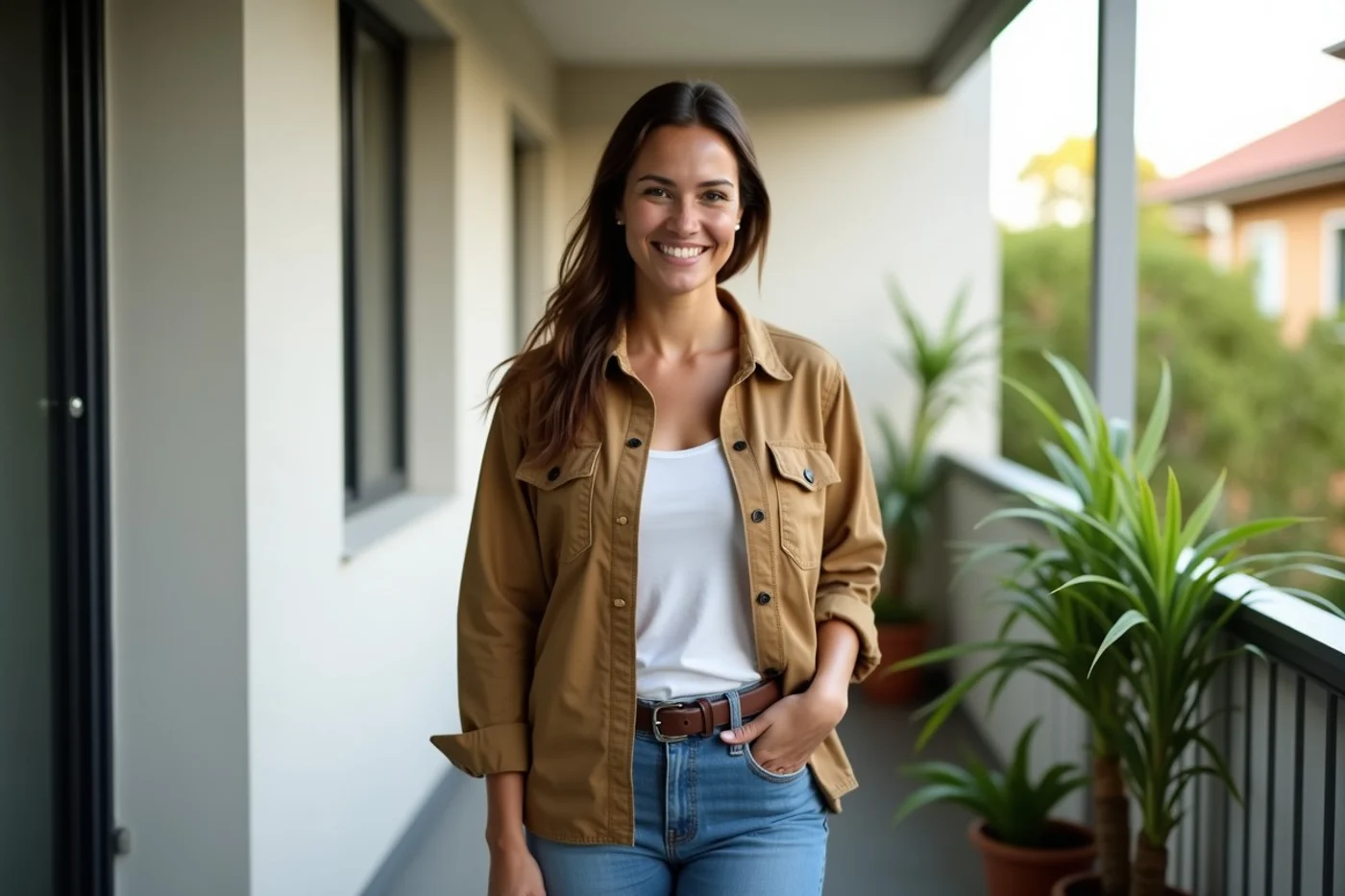
“Fun, adventurous and easygoing” could describe almost anyone. Give each claim a scene: “My ideal Saturday starts with a coastal walk, includes finding a bakery I have not tried, and ends with a low-key film at home.”
Swap broad labels for preferences that invite recognition. “I like travelling” becomes “I plan trips around markets, galleries and one day with no timetable.” “Easygoing” becomes “I am happy to try a new pub quiz team, though I take the music round far too seriously.”
Small, ordinary details carry weight too: a favourite way to spend a Sunday, the meal you cook when friends visit, or the local sport or hobby you return to each week. Choose details you would genuinely enjoy discussing with a match.
State relationship intentions without listing demands
Name the direction you are open to in one calm sentence. “I’m hoping to meet someone for a committed relationship, with time to get to know each other properly” signals seriousness without forcing a timeline. “Open to a genuine connection that can grow into a partnership” suits someone who values commitment but does not want to promise an outcome before meeting.
Include preferences that affect compatibility, framed as information about your life. For example: “I enjoy a fairly settled week and like sharing weekends with someone who also values time with family and friends.” A parent might write, “My family commitments are important, and I’m keen to meet someone who understands that a relationship develops around a full life.”
Save a long list of deal-breakers for later conversation. Phrases such as “no drama”, “must be perfect” or demands about appearance can read as guarded or dismissive. Mention only the essentials early, such as wanting exclusivity in time, a non-smoking partner, or someone who is comfortable with your existing family responsibilities.
Protect accuracy, dignity, and personal information
Use your own recent photos and write only what you can stand behind. A heavily filtered image, an old photo, a false job title, or borrowed travel stories can create a mismatch before a conversation has begun. Keep descriptions respectful too: avoid comments that mock former partners, groups of people, or your own appearance.
Your profile does not need your full name, home address, workplace, children’s school, routine commute, or live location. A photo showing a house number, car registration, work ID, or identifiable child should stay off the app. Share personal details gradually after someone has earned your trust.
Be wary of claims that create pressure or a false sense of intimacy, such as declaring instant devotion or presenting yourself as available at all hours. A composed profile leaves room for two people to learn who each other are over time.
Before publishing, check every photo and sentence against one question: would a person recognise this as your current life when you meet? Remove dated images, vague claims and identifying details, then keep the detail that gives a compatible match something genuine to discuss.