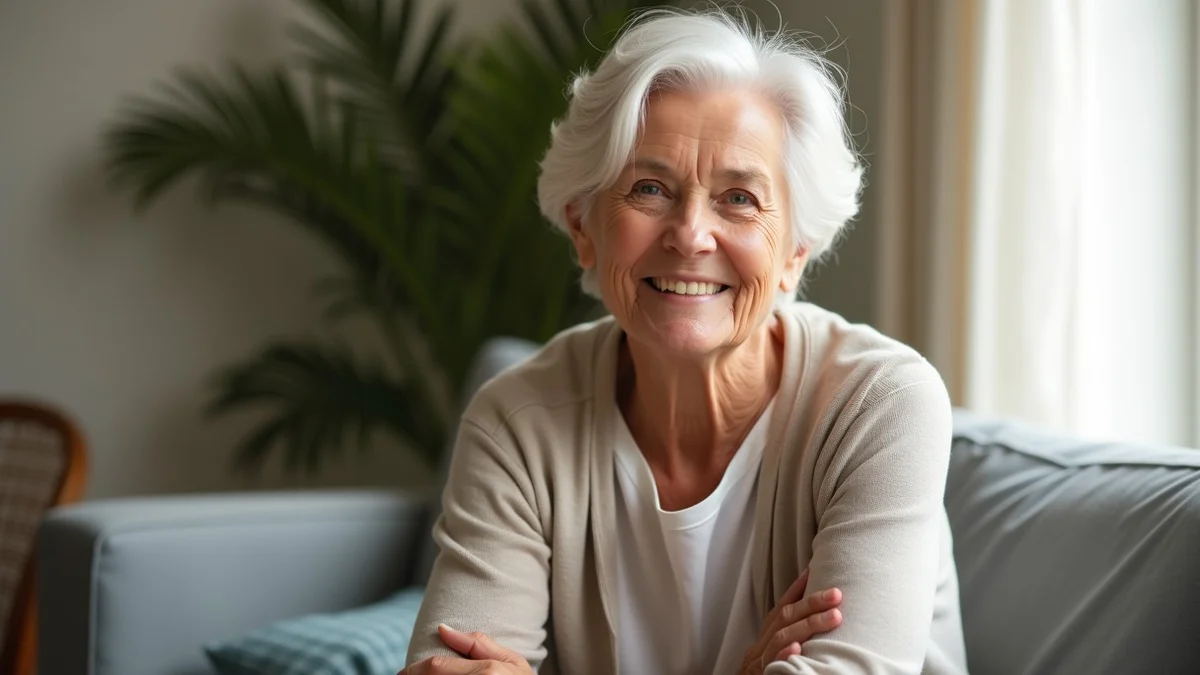
Singles over 50 in Australia should build a dating profile around recent, recognisable photos, specific details about daily life, and an honest description of the connection they hope to find. Mention interests that can start a conversation, show how you spend your time, and share enough personality to feel approachable. Keep home, financial, work, and family identifiers private until trust has developed, and remove wording or images that could misrepresent your present life.
A strong over-50 profile reflects the life you live now
For singles over 50 in Australia, a strong dating profile should represent your current life, values and expectations—not an idealised younger version of yourself. Recent changes in work, family, interests or priorities can be part of your story without becoming the whole story. A calm, confident description gives potential matches a fair sense of who they may meet.
Honesty also means acknowledging the kind of connection you are ready to explore. You might be open to companionship, exclusive dating or a long-term relationship; stating this briefly helps people assess whether their intentions are compatible. You do not need to present a fixed five-year plan, but avoid language so vague that every kind of arrangement appears equally likely.
Write with self-respect and warmth. Mention the qualities you value in a connection and the pace that suits you, while leaving room to learn about another person. Avoid trying to sound younger, busier or more adventurous than your everyday life supports. A profile built around your present circumstances gives genuine matches something accurate to respond to.
Build a photo set that feels recognisable and welcoming
Choose images that show your face, appearance and everyday presence as they are now. A varied set gives someone enough context to recognise you and start a conversation without turning the profile into a formal portrait session.
Keep the main image easy to read at a small size. Additional photos can add context, but each should still make it obvious which person is you.
| Photo | Choose | Avoid |
|---|---|---|
| Face photo | Use a recent, well-lit image with your face unobstructed and a relaxed expression. A simple outdoor or home setting can work well. | Sunglasses, heavy filters, distant crops and images where glare or shadow hides your features. |
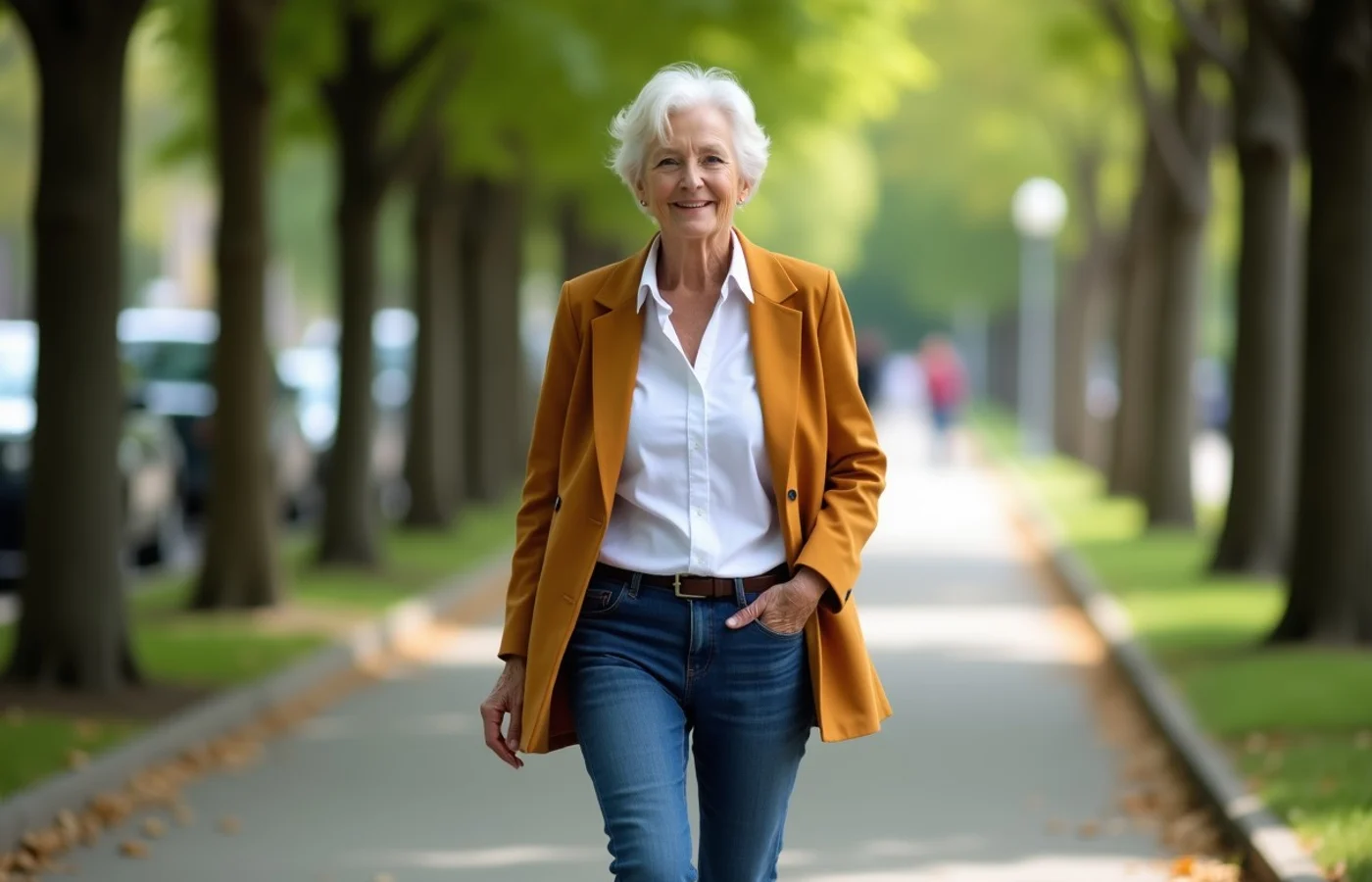
| Full-length photo | Include one natural standing photo in clothes you genuinely wear. The image should show your overall presentation without looking staged. | Old images, extreme posing or edits that alter your appearance. |
| Activity photo | Show yourself doing an activity you still enjoy, such as cooking, gardening or walking. The subject should remain visible rather than disappearing into the scenery. | A blurry action shot, a distant silhouette or a picture that requires extensive explanation. |
| Social photo | Add a group image only after your solo photos, with you easy to identify. Keep the group small enough that viewers are not left guessing. | Several group shots, cropped-out companions or photos featuring people who could be mistaken for you. |
Turn everyday interests into a specific personal introduction
“I enjoy travel” gives someone little to respond to. Try naming the kind of travel you enjoy, the pace you prefer, or a recent activity: “I like taking short road trips, finding quiet coastal walks and lingering over local food.” The detail creates several natural openings without turning the bio into an itinerary.
Family can be described with the part that reflects your life and interests: “My family matters to me, and I also make time for gardening, live music and Sunday breakfasts.” Broad claims such as “I love keeping fit” become more inviting as “I swim during the week and enjoy an easy walk when the weather is good.”
Choose two or three details that genuinely shape your week. Specificity should help a compatible match recognise shared interests, not present an idealised version of you.
State the kind of connection you are ready to build
Name the kind of relationship you are open to, then describe it in language that leaves room for two people to learn about one another. A profile does not need a fixed timetable or a promise about someone you have not met. It should tell readers whether you are looking for companionship, dating with the possibility of exclusivity, or a committed long-term partnership.
For companionship, focus on shared time and mutual interest: “I’m hoping to meet someone for good conversation, weekend outings and the enjoyment of everyday life. I’m open to seeing where a genuine connection develops.” This communicates warmth without suggesting that casual means careless or that a serious outcome is already decided.
Someone seeking exclusive dating can be more direct: “I’d like to meet one person at a time and build trust through regular dates, with the possibility of a committed relationship.” For a long-term relationship, try: “I’m ready to build a lasting partnership with someone who values affection, respect and time together.” These statements express direction, not a demand that a match immediately agree. A short sentence about pace can also help: “I prefer to let commitment grow through conversation and shared experience.”
Protect privacy without making the profile feel closed off
Keep the profile open about your personality while withholding details that could identify, locate, or financially assess you. Describe a broad area instead of your street, building, or exact daily route. “Based near the coast and often out walking” gives context without revealing your home address or routine.
Leave out salary, property ownership, debt, employer name, office location, and other financial or workplace details. A job can be described by field or interest—for example, “I work in healthcare administration”—without naming the organisation or your schedule.
Family references need similar care. You can mention being close to adult children or enjoying time with grandchildren, but avoid names, schools, photographs that identify them, and regular locations. “Family is important to me, and I enjoy relaxed weekends together” shares warmth without supplying identifiers. Add more detail only as trust develops.
Check the profile for warmth, accuracy, and clarity
- Photo dates: confirm that every image still represents your appearance and current life. Remove pictures that feel noticeably out of date, heavily edited, or difficult to recognise.
- Readable text: view the profile on a phone before publishing. Break up long paragraphs, replace dense wording, and check that punctuation makes each sentence easy to follow.
- Balanced detail: include enough information to show personality and everyday interests, then stop before the profile becomes a full autobiography. A few specific details usually carry more weight than a long list.
- Respectful language: remove complaints about dating, dismissive comments about age or appearance, and rigid demands. The wording should sound like an invitation to learn about one another.
- Image-and-bio consistency: check that your written description does not conflict with what the photos show. For example, a profile describing an active lifestyle should not rely on captions that exaggerate activities you rarely do.
- Final accuracy check: read the profile aloud and correct spelling, awkward phrases, inaccurate dates, and wording that could suggest intentions you do not hold. Ask whether a considerate stranger would understand both your personality and your availability for connection.
Before publishing, read the profile as a potential match would: can they see your current life, understand your relationship intentions, and start a conversation without guessing? Replace one broad statement with a concrete detail, check every photo is recent, and remove information that identifies your home, workplace, or relatives.