
Cheap first date ideas in Australia can still feel thoughtful: try a public garden or foreshore walk, a coffee and bakery stop, a free gallery or library event, or an indoor community activity. Choose a public setting with an easy finish, check travel and access needs, and confirm any current entry or booking costs before inviting the other person. A specific plan covering the meeting time, expected spend and wet-weather backup feels considerate without creating pressure.
Make a free outdoor date easy to join and easy to leave
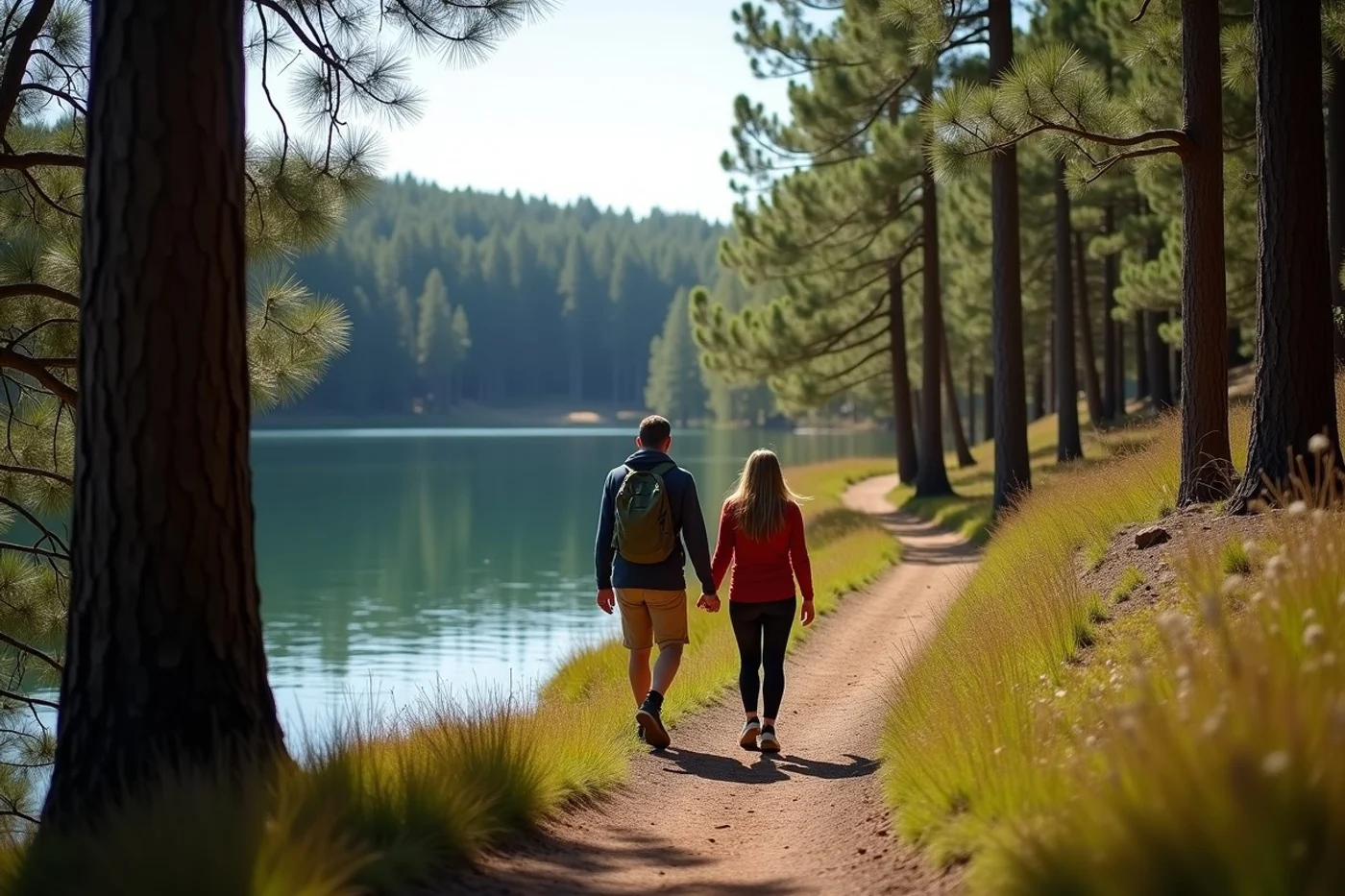
A public garden walk, foreshore stroll, outdoor market browse, public art route, or scenic picnic can feel thoughtful without requiring a large spend. Choose one clear meeting point and keep the first outing to about 45–75 minutes, with an obvious stopping place if conversation does not flow.
Check the route for shade, seating, toilets, flat or paved sections, and nearby shelter. Offer an accessible alternative, such as a shorter loop or a bench-based meeting point, without making the other person explain personal details. A message such as “Would you like to meet at 11am for a short walk and stop whenever suits?” gives the invitation shape while leaving both people an easy exit.
Keep a café or snack date affordable without seeming vague
Coffee, tea, a bakery stop, or a shared dessert can keep a first date relaxed and bounded. Name the activity, meeting point, day, and approximate length: “Would you like to meet at a café near the station on Saturday afternoon for coffee and a chat?” That sounds considered without promising an elaborate outing.
A simple picnic can centre on easy items such as fruit, sandwiches, or pastries, with each person bringing something if that suits both of you. For a more flexible plan, suggest a takeaway snack and a nearby place to sit, keeping the food element central without turning it into a full meal.
Check dietary preferences before choosing the menu. You might write, “I was thinking coffee and cake, though I’m happy to choose somewhere with dairy-free or gluten-free options if needed.” Specific details show thoughtfulness; room for preferences prevents the invitation from feeling prescriptive.
Check local calendars for inexpensive cultural activities
Local calendars can turn a first date into a shared experience without centring it on a meal. Look for free gallery entry, library talks or events, council-run programs, community festivals, open rehearsals, and low-cost creative workshops. Choose an activity with enough quiet time for conversation, and avoid sessions that require close attention from start to finish.
Open the organiser’s or venue’s current listing before suggesting the date. Confirm the time, admission arrangement, booking requirements, age or accessibility conditions, and whether the session has changed. Community events may suit different interests, while a short workshop or rehearsal gives two people something specific to discuss.
Make the invitation specific: “There’s a low-cost printmaking workshop on Saturday afternoon. Would you like to go together?” Confirm current entry requirements with the relevant venue or organiser, then leave room for the other person to suggest an alternative.
Have an indoor alternative ready for rain, heat, or smoke

- For rain, suggest a library visit with a simple prompt: browse a favourite section, choose an interesting title for the other person, then sit for a conversation. Spending can remain optional.
- On a hot day, use a covered public atrium or shopping-centre seating area for a short browse and chat. Pick somewhere with shade-free indoor access, seating and nearby facilities so neither person has to endure uncomfortable conditions.
- When smoke affects outdoor air, move the date to an enclosed public venue such as a library, community centre space or indoor recreation venue. Anyone with particular breathing concerns should have a say in the change.
- Send the update as soon as the conditions look unsuitable: “The weather may make the walk unpleasant. Would you be open to meeting indoors for a short browse and coffee-area chat?” This keeps the invitation intact while allowing a genuine choice.
- Give the indoor plan a defined shape: one activity, a quiet place to talk and an agreed end time. A modest replacement feels considered when both people know what will happen and can leave comfortably if the setting is not working.
Calculate the real cost before making the invitation
Before suggesting an outing, price the whole journey for both people, not just the activity. Check the venue or event’s current official information, then allow for travel, food, and any extras that could change the total. This prevents an apparently inexpensive plan from becoming awkward at the meeting point.
- Transport can outweigh the activity: compare public transport fares, parking costs, fuel, walking distance, and the number of connections. A free event may be inconvenient if reaching it requires expensive parking or a long trip.
- Read the booking screen and venue information for reservation or service fees, timed-entry charges, equipment hire, deposits, minimum purchases, and cancellation terms. Note which costs apply to each person.
- Confirm current prices close to the date through the official venue, organiser, or event source. Search results, old listings, and social posts may not reflect the present fee or session conditions.
- Build in a small allowance for a drink, snack, locker, or weather-related change. Keep the main activity affordable even when one optional extra is added.
- Check whether the plan still works if one person arrives by public transport, needs step-free access, or cannot use hired equipment. A lower total is not helpful when the route or facilities create an avoidable barrier.
Talk about paying in a direct and considerate way
- Set the expectation in the invitation: “I’d like to take you for coffee and a snack. I’m happy to treat you.” This removes uncertainty without turning the date into a financial test.
- For separate payments, use ordinary wording: “Would you prefer to order separately?” or “I’ll cover my coffee.” Raising it before ordering gives both people room to choose comfortably.
- When budgets differ, say so without apology: “I’m keeping this first date low-cost. Would a walk and coffee work for you?” The other person can agree, suggest another option, or decline.
- If someone offers to pay, accepting is not an obligation to reciprocate. “Thanks, that’s kind” is enough. You can also say, “I appreciate it, but I’d prefer to pay for my own.”
- Keep the conversation pressure-free when the arrangement does not suit: “No worries if that setup isn’t comfortable; we can choose something else.” Payment should not determine interest, access, or future expectations.
Use a simple checklist to turn an inexpensive idea into a good plan
Before sending the invitation, connect the activity to something you have both shown interest in. Check that the setting is public, the plan has a comfortable finish time, and the invitation names the activity, day, approximate duration, and meeting point. “Would you like to browse the weekend market on Saturday afternoon, then leave whenever suits?” gives the other person enough detail to decide.
Run through the practical checks: confirm the venue or event is open through its official information, review the weather, estimate travel time from each person’s starting point, and consider shade, seating, toilets, paths, noise, or other accessibility needs. Add the expected total cost, including travel and any purchase connected with the activity.
Keep one nearby backup for rain, heat, smoke, closure, or a change in energy. It could be a public indoor venue or a short café stop, provided the alternative suits the same budget. Send the final plan with a simple confirmation: “The forecast looks unsettled, so I’ve checked an indoor option nearby. Does that still work for you?”
Pick one activity that suits both schedules, check the full cost and travel details, then send a concrete invitation with a backup plan. That small amount of preparation turns a low-cost idea into a considerate first date.